Up in Smoke: How X-Rays Burned a €3.75M Cocaine Run
Hiding 53.5 kilograms of cocaine in a vehicle's exhaust system worked exactly as well as anyone with basic OPSEC knowledge would expect Revenue officers found it in minutes.


Someone trusted a man in his 40s to drive €3.75 million worth of cocaine from France to Ireland by ferry, and that man decided the exhaust system was a good hiding spot. Revenue officers at Rosslare Europort disagreed on December 22, 2025, when their mobile x-ray scanner lit up his vehicle like a Christmas tree.
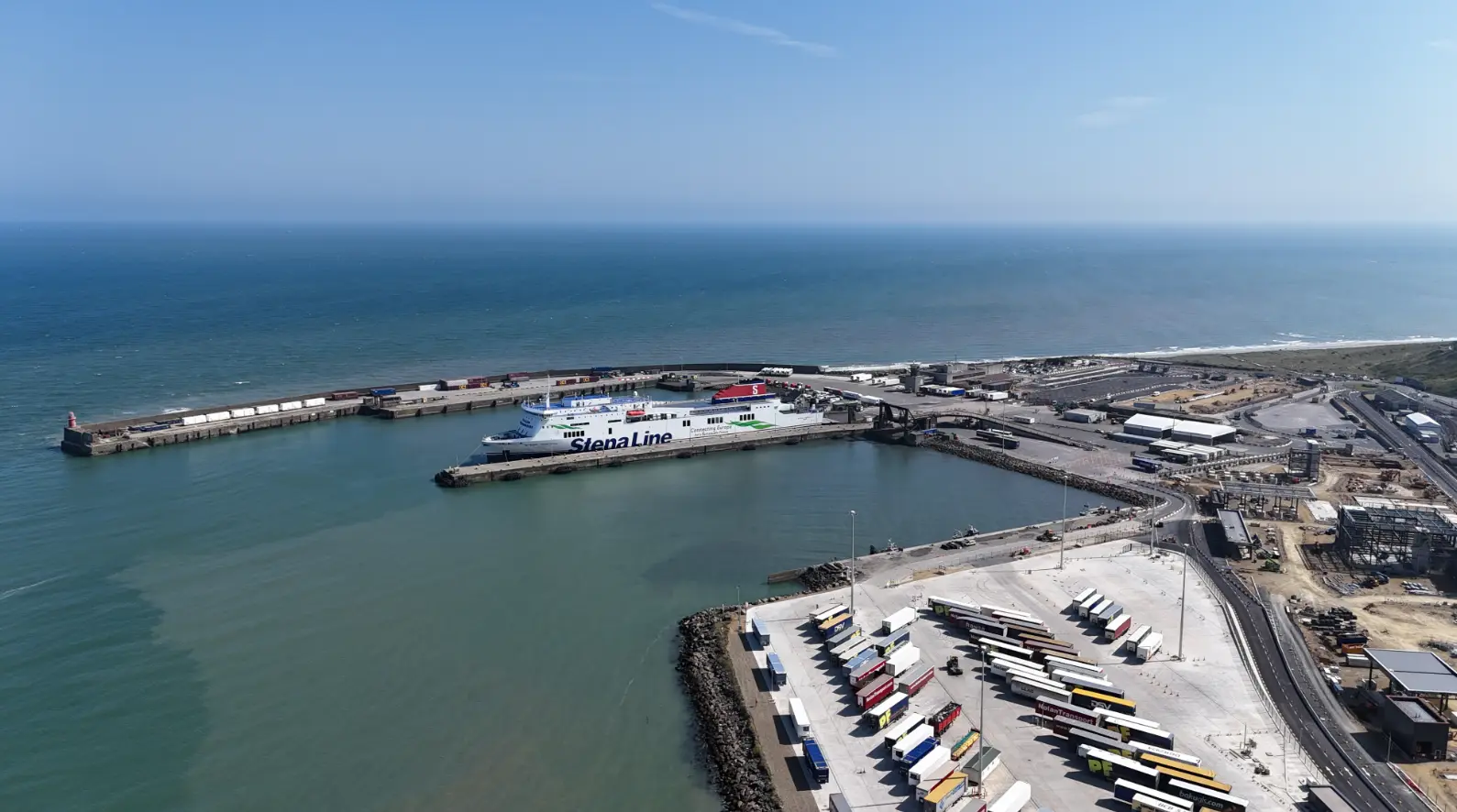
The haul totaled 53.5 kilograms of suspected cocaine over 117 pounds stuffed into the exhaust assembly of a car that had just rolled off a ferry from France. Customs didn't need informants, didn't need surveillance, and didn't need luck. They needed a machine that sees through metal and a dog named Dáithí who confirmed what the screen already showed.
This seizure represents everything wrong with amateur-hour drug logistics. The exhaust system concealment method dates back decades, appearing in customs training materials as one of the first places inspectors learn to check. Modern x-ray technology renders vehicle cavities transparent. Thermal imaging can detect temperature anomalies from modified exhaust components. And ferry routes create mandatory chokepoints where every single vehicle passes through controlled screening areas with no possibility of evasion.
The France-to-Ireland corridor specifically receives enhanced attention because it bypasses the UK entirely while connecting continental Europe to the Irish market. Revenue officers apply risk profiling to incoming traffic before vessels dock, meaning suspicious bookings or travel patterns get flagged for secondary inspection automatically. Driving a vehicle loaded with contraband through this chokepoint requires either profound ignorance of how modern customs operates or a level of desperation that overrides self-preservation.

The driver now sits in a Garda station in southeast Ireland, detained under Section 2 of the Criminal Justice (Drug Trafficking) Act 1996 while investigators build a case. Drug trafficking charges under Section 15A of the Misuse of Drugs Act carry potential life sentences for quantities above €13,000 in value and €3.75 million clears that threshold by a factor of 288. Whoever supplied the cocaine lost their product, their money, their courier, and potentially their operational security if the driver decides cooperation beats decades in prison.
Exhaust modifications leave physical evidence that persists long after contraband gets removed. Welding marks, non-factory components, and structural alterations all tell stories that forensic examination can read. If this vehicle connected to previous runs or other couriers, that evidence now sits in Garda custody. The investigation remains ongoing, which usually means they're pulling threads to see what unravels.
The tactical failure here compounds at every level: choosing a concealment location that x-rays defeat trivially, selecting a route that funnels all traffic through mandatory inspection, and trusting operational security to someone whose response to these challenges was apparently "it'll be grand." Each decision stacked risk on top of risk until the only possible outcome was exactly what happened.
Revenue and the Gardaí have spent years investing in detection technology specifically because traditional concealment methods stopped working. Mobile x-ray units can scan vehicles in minutes without physical disassembly. Detector dogs provide biological verification that machines confirm. Risk profiling algorithms flag anomalies in booking patterns, travel histories, and vehicle registrations. The infrastructure exists specifically to catch exactly this type of operation.
The street value of €3.75 million sounds impressive until you calculate what that cocaine would need to sell for just to break even on the loss. The courier faces imprisonment while the supply chain faces exposure, and whoever orchestrated this now knows their operational security failed at the most basic level choosing where to hide product and which route to use for transport.
Ferry chokepoints will continue catching shipments because they offer no alternative routes and no ability to abort once the vessel departs. Every vehicle on that ship passes through the same screening area. There's no exit, no detour, no secondary option once you've committed to the crossing. Smugglers who understand this avoid ferry routes entirely or develop concealment methods that actually defeat modern scanning technology.
Hiding cocaine in an exhaust pipe in 2025 reflects either complete ignorance of how interdiction works or a supply chain so desperate for couriers that they'll accept anyone with a driver's license. Neither explanation suggests competent operational security, and the €3.75 million now sitting in evidence storage confirms the result.